
Why F1’s 2027 car changes could matter more than they first appear
Week 28, 2026
F1’s 2027 reset is not only about engines. Under-the-radar aero and car-concept changes are part of the next technical shift, alongside the new power-unit rules.
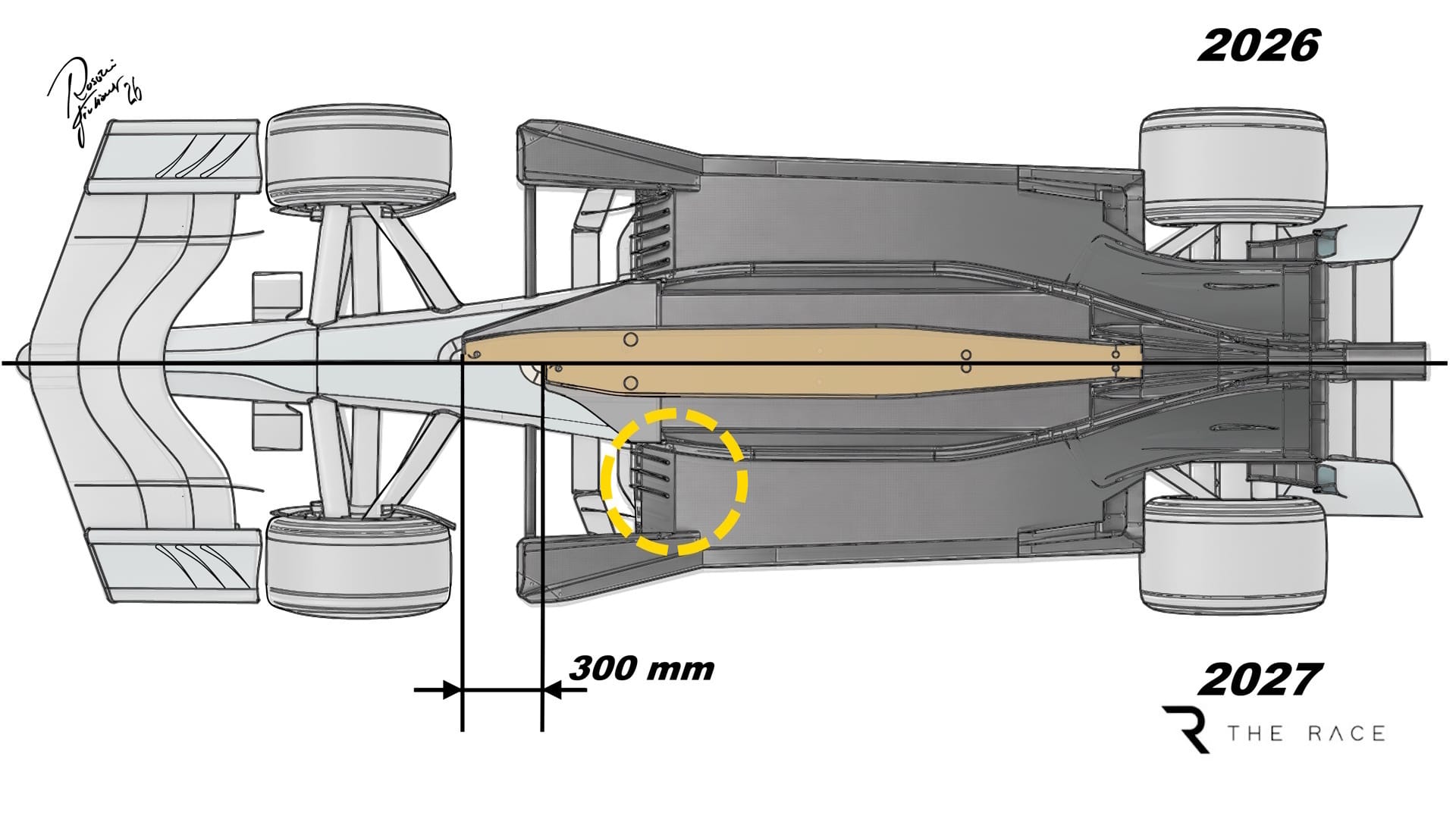
The Race’s explanation of Formula 1’s 2027 direction is a useful reminder that the next major reset is not just about the engine formula. The headline power-unit changes will naturally draw the loudest reaction, but the article says they are not the only thing changing for 2027, with significant aerodynamic rule changes also part of the picture. That matters because in Formula 1, regulation changes often have knock-on effects well beyond the most obvious headline item, with teams needing to interpret what the new package means for car concept and performance. In other words, the 2027 package is shaping up as a wider technical shift, not just an engine story.
That wider view is important because the sport often discusses rules in terms of what they say on paper, while teams are focused on what those rules mean in practice. If the 2027 package changes aerodynamic performance, the effect will not be limited to one isolated area of the car. Even without every technical detail locked down in public, the direction of travel itself can force teams to reconsider what a competitive car should look like. A concept that is efficient under today’s formula may need a different philosophy once new constraints arrive, which is why apparently small wording changes can have large consequences in F1.
The article also underlines why the timing matters as much as the content. Teams do not wait for a new ruleset to begin preparing for it; they start building around expectations long before it becomes effective. Once the broad shape of a future package is known, designers, strategists and technical leaders begin making trade-offs between near-term performance and future readiness. That can affect staffing decisions, wind-tunnel priorities, simulator work and which development paths are worth continuing in the current cycle. This is one reason Formula 1 rule changes are often felt earlier than casual observers expect.
There is also a competitive-balance angle here that goes beyond simple horsepower arguments. F1 history shows that the teams who interpret a new regulation set most effectively are often the ones who gain the biggest edge, not necessarily the teams that were strongest under the old rules. If the aero revisions for 2027 are significant, the teams that understand those constraints best could be well placed to respond strongly, while others may discover that their existing strengths no longer translate as cleanly. That creates a real strategic divide: some teams may see the regulation change as an opportunity to rethink their approach, while others will be trying to defend a model that may need to evolve. Even if the broad goals of the rules are known in advance, the winners are usually determined by interpretation.
Subscribe to continue reading the full story.
Unlock access